Programming IC Chips
What are Programmable IC Chips?
A programmable IC chip is a memory chip that is a programmable integrated circuit made of millions of capacitors and transistors that can store data or help process code. Programmable IC chips are capable of holding memory both temporarily through random access memory (RAM) and permanently through read-only memory (ROM). Programming IC chips is a vital process as memory chips are essential components of computers and electronic devices as most cannot function or store/send information without them. Some programming languages commonly used in IC programming include: VDHL, C++, Python, Java, and much more. In practice, IC programming often involves loading compiled output files such as HEX, BIN, JED, or ELF formats depending on the device type, rather than writing code directly onto the chip. Overall, the choice of programming language for IC development is influenced by the specific type of integrated circuit and its designated use.
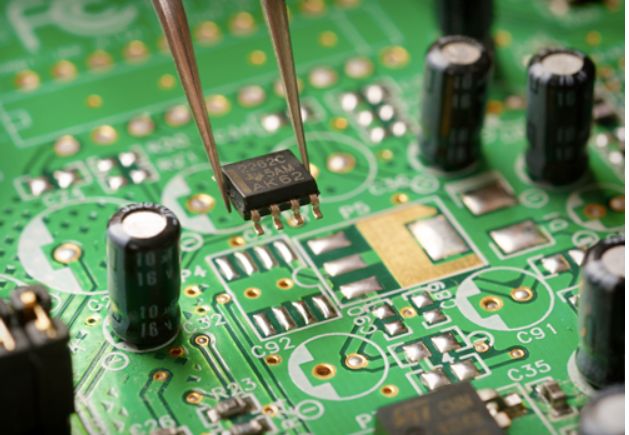
Primary Varieties of Programmable Integrated Circuits Include:
Microcontrollers: Found in a wide array of electronic devices and appliances, these are programmed using embedded firmware.
CPLDs (Complex Programmable Logic Devices): These devices are configured using logic equations.
FPGAs (Field Programmable Gate Arrays): These are set up using design files that dictate hardware behavior.
EEPROMs (Electrically Erasable Programmable Read-Only Memory): This non-volatile memory is used for storing data that can be programmed into the device.
Flash Memories: Utilized for storing firmware code, these can be reprogrammed as needed.
These devices are typically programmed using standardized interfaces such as SPI for flash memory, JTAG for FPGAs and CPLDs, and SWD or similar debug interfaces for many microcontrollers, depending on the device architecture.
How Do You Program IC Chips?
IC programming is a process that helps create the foundation of most modern technology. In particular, the IC coding process involves flashing written software onto programmable devices and is the reason that a wide array of businesses have come to depend on IC chip programmers. During production, programming files are first validated, then written to devices using specialized equipment, followed by verification steps such as checksum or read-back validation to ensure data integrity.
In production environments, these are the strongest benefits IC programming provides to manufacturers.
Increased efficiency: Programming devices prior to assembly gets components ready before they reach the SMT line. Each programmed device can be verified prior to shipment to ensure accuracy and reliability across production volumes.
Reduced Costs: Offline programming makes for reduced costs by reducing delays. By programming devices prior to assembly, manufacturers can reduce SMT line bottlenecks and keep their workflow moving smoothly.
Wide-Ranging Device Support: Programmable IC chips can be used in a wide array of devices. Depending on the device type and production requirements, programming may involve microcontrollers, flash memory, EEPROMs, CPLDs, FPGAs, and other programmable components.
For production programming support, see ProEx’s IC programming services.
What Programmable Language is Used for IC Chips?
Although some IC chip programming languages are more commonly used than others, here at ProEx, we can accept a wide variety of file formats. This includes HEX and BIN files for memory devices and microcontrollers, as well as JED or SVF files used for programmable logic devices like CPLDs and FPGAs. Contact us today for more information on how we can better accommodate your business needs.
How Does a Programmable IC Chip Work?
One of the top components of a working programmable IC chip is the microcontroller. These are used in automatically controlled devices such as:
Implantable devices
Power tools
Toys
Engine control systems
And other embedded devices
In other words, microcontrollers are akin to mini computers. These are used to house programmable IC chips, which are then easily implanted into devices of all kinds.
How Long Does it Take to Program an IC Chip?
While the answer varies, it can take anywhere from 1 second to 30 minutes. Programming time depends on several factors, including memory size, firmware complexity, verification requirements, and any additional steps such as serialization or security provisioning.
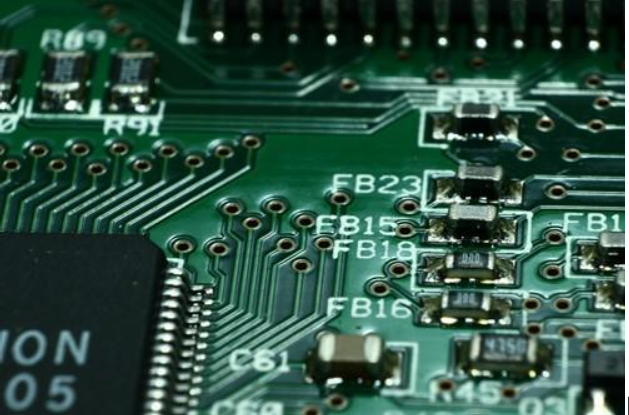
Key Takeaways:
Programmable IC chips are used in a wide variety of devices.
Many companies have come to rely on quality IC device programmers to administer these services.
For manufacturers looking for an IC chip programmer, ProEx supports offline programming, verification, and production workflows. You can learn about our IC programming services here.